30 weeks pregnant
At 30 weeks pregnant you're in month 7 of your pregnancy (about 6.9 calendar months along), in the third trimester, with 10 weeks to go until your due date.
Written by ProbaBaby editorialUpdated 10 October 2026
Editorial content with sources. A clinician has not reviewed this page yet. How we write and check pages
This week
Week 30 · third trimesterYour baby at 30 weeks
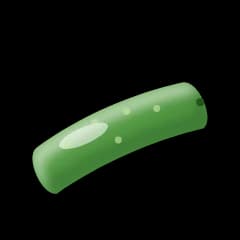
Thirty weeks puts you three-quarters of the way along a 40-week pregnancy, with 10 weeks still to go. Your baby is compared to a large cucumber and measures about 39.9 cm crown to heel. The estimated weight is 1,523 g at the middle of the WHO fetal growth chart, and 8 in 10 babies fall between 1,313 g and 1,753 g. The middle head circumference is 281 mm.
Those numbers are scan-based estimates. A sonographer measures the head, abdomen and thigh bone and applies a formula. A single scan figure is a rough guide, and your team will usually compare it with earlier scans and with how your bump has been measured at appointments.
ACOG's guide lists what is going on during weeks 29 to 32. Your baby can stretch, kick and grasp, and the eyes now respond to changes in light. Bone marrow, the soft tissue inside bones, has begun forming red blood cells. The head may have some hair, and the lanugo that covered the body in the middle of pregnancy begins to disappear. If you are carrying a boy, the testicles have started to move down from the abdomen into the scrotum.
Week 30 has no single milestone. What sets this stretch apart is weight: on the WHO chart the middle estimate keeps climbing week after week as your baby fills out.
Your body at 30 weeks
Everything is getting heavier. The NHS says your growing baby presses on your stomach, which feeds heartburn, and many people find they walk more slowly, pause on the stairs and struggle to get comfortable.
The NHS schedule has a visit at 31 weeks for a first baby and at 34 weeks for everyone. The 31-week visit centers on preparing for the birth, your preferences, and knowing when you are in labor. Your blood pressure and urine are checked and your bump is measured. If you are not due a visit this week, you can still phone your midwife with questions.
Staying active still helps. The NHS notes that regular activity helps to prepare your body for labor and may lower the chance of gestational diabetes and pre-eclampsia, and that you should adjust the type of exercise as pregnancy goes on, for example switching from running to brisk walking.
Common symptoms around 30 weeks
- Pelvic girdle pain. The NHS describes stiff pelvic joints, or joints that move unevenly, causing pain over the pubic bone, in the lower back or in the thighs, sometimes with clicking. It can get worse on stairs, standing on one leg and rolling over in bed. Rest often, put a pillow between your legs at night, and ask for a physiotherapy referral.
- Heartburn. The NHS lists hormones, pressure on the stomach and a relaxed valve between stomach and gullet as causes. Raise your head and shoulders with pillows at night, stop eating 3 hours before bed, and keep meals small, sitting upright afterwards.
- Heavy, wakeful nights. Extra weight and bathroom trips can wear sleep thin. Lying on your side with a pillow under the bump is the NHS-recommended position.
- Practice tightenings. Your belly may go firm for a short time. If tightenings turn regular or frequent, that is a preterm-labor warning sign in ACOG's list, so call.
Tips for this week
- Pack a first version of the hospital bag. Include your notes, a phone charger, comfortable clothes and the first outfits for your baby, and put it near the door.
- Finish the baby's space. A crib or bassinet, a car seat that has been fitted, and a safe place to change diapers matter more than decor.
- Book the whooping cough vaccine if you have not had it. The CDC window runs from 27 to 36 weeks, and the NHS advises having it before 32 weeks for the best protection.
- Practice pelvic-friendly habits. Take small steps when you turn, sit to get dressed and avoid carrying heavy items on one side.
- Ask about the birth. Write down who you want with you, how you will get to the hospital and who will look after other children.
When to call your doctor or midwife
These are reasons to call now, not to wait for your next appointment. If you cannot reach your maternity unit or clinic, call your local emergency number.
- Call now for any vaginal bleeding. Call your emergency number if bleeding is heavy or comes with severe belly pain, shoulder pain, or feeling faint or dizzy.
- Call now if you notice regular tightening of your belly, mild cramps, a dull backache that will not go away, low pelvic pressure, or a change in your discharge. ACOG says these can be signs of preterm labor, meaning labor before 37 weeks, and that you should not wait.
- Call now if fluid gushes or trickles from your vagina.
- Call now if peeing is painful or burns, particularly with a fever or pain in your side.
- Call now if your baby's movements slow, stop or change from the usual pattern. The NHS says to call your midwife or maternity unit straight away, day or night, and not to wait until tomorrow.
- Call now if you have a severe headache, flashing lights or blurred vision, pain below the ribs, vomiting, or sudden swelling of the face, hands or feet. The NHS says these can be signs of pre-eclampsia and need checking straight away.
Tests around this week
6 in windowTests and scans whose usual window includes this week, from the test schedule in the ProbaBaby app. Which tests you are offered, and when, depends on your country, your care team and your own history.
| Test | Usual window | Type |
|---|---|---|
| Flu Vaccine (Seasonal) | weeks 1–40 | Vaccine |
| Pre-eclampsia Screening | weeks 20–40 | Blood test |
| TDaP Vaccination (Whooping Cough) | weeks 27–36 | Vaccine |
| CBC Recheck (Third Trimester) | weeks 28–32 | Blood test |
| Growth Scan | weeks 28–32 | Scan |
| Hepatitis B Recheck | weeks 28–32 | Blood test |
Having twins?
A good week for twin logistics: hospital bag sooner than the standard lists say, two car seats fitted, and extra hands arranged for the first weeks.
For twins that have separate placentas, NICE recommends monitoring weight differences between the babies at scan intervals of no more than 28 days from 24 weeks, and it advises planned birth at 37 weeks if the pregnancy is uncomplicated. Ask your team when your own birth date is likely to be discussed.
More on twin pregnancy: Twin pregnancy week by weekTwin due date calculatorProbaBaby for twins
Not sure which week you're in?
Enter your due date or the first day of your last period. Nothing is stored or sent anywhere.
Frequently asked questions
How many months is 30 weeks pregnant?
On the month table many guides use, week 30 is part of month 7, which covers weeks 28 to 31. By calendar months, 30 weeks is 210 days, or about 6.9 months, so you are almost at the seven-month mark. You have 10 weeks left until your due date.
How big is the baby at 30 weeks?
About a large cucumber in length, roughly 39.9 cm from head to heel. The WHO fetal growth charts give a middle estimated weight of 1,523 g, with 8 in 10 babies between 1,313 g and 1,753 g. The middle head circumference is 281 mm.
When should I get the whooping cough vaccine?
In the US, the CDC recommends the Tdap vaccine during weeks 27 to 36 of every pregnancy, so 30 weeks is inside that window. In England, the NHS offers it from 16 weeks and says it protects your baby best if given before 32 weeks. If you have not had it yet, ask your midwife or doctor this week.
Why does my pelvis hurt at 30 weeks?
Pelvic girdle pain, which the NHS says affects about 1 in 5 pregnant women to some degree, comes from stiff pelvic joints or joints moving unevenly. It tends to hurt over the pubic bone or low back and gets worse with stairs or turning in bed. Tell your midwife or doctor, because physiotherapy can help.
Should I pack my hospital bag at 30 weeks?
It is a sensible time to start, since a baby can arrive before the due date. ACOG defines preterm birth as before 37 weeks. You do not have to finish everything now, but a basic bag by the door means one less thing to think about.
References
- ACOG — How Your Fetus Grows During Pregnancy (opens in a new tab), patient FAQ, reviewed March 2026
- NHS — Your antenatal appointments (opens in a new tab), reviewed 17 April 2026
- CDC — Tdap vaccination for pregnant women (opens in a new tab), reviewed 2 December 2025
- NHS — Whooping cough vaccination in pregnancy (opens in a new tab)
- NHS — Pelvic pain in pregnancy (opens in a new tab)
- NHS — Indigestion and heartburn in pregnancy (opens in a new tab), reviewed 14 November 2023
- NHS — Tiredness and sleep problems in pregnancy (opens in a new tab)
- NHS — Exercise in pregnancy (opens in a new tab)
- NHS — Pre-eclampsia (opens in a new tab)
- NHS — Headaches in pregnancy (opens in a new tab)
- ACOG — Preterm Labor and Birth (opens in a new tab), patient FAQ, reviewed January 2026
- NHS — Your baby's movements (opens in a new tab), reviewed 8 July 2024
- NHS — Vaginal bleeding in pregnancy (opens in a new tab), reviewed 17 February 2026
- NICE NG137 — Twin and triplet pregnancy (opens in a new tab), recommendations 1.4.18, 1.4.19 and 1.9.9
- WHO Fetal Growth Charts — Kiserud T, et al. PLOS Medicine 2017;14(1):e1002220 (opens in a new tab), Estimated fetal weight (Table 11) and head circumference (Table 7) percentiles, weeks 14–40
- ACOG Practice Bulletin No. 145: Antepartum Fetal Surveillance. Obstet Gynecol 2014 (superseded by Practice Bulletin No. 229, 2021) (opens in a new tab), Third-trimester fetal surveillance context (cited by the app)
Size, weight and test windows come from the ProbaBaby app's week data and the published standards listed here. Every figure is an average for a healthy pregnancy, not a measure of your baby.
General information, not medical advice. Your midwife or doctor knows your history and is the right person to ask about your pregnancy.